Reducing absenteeism, promoting engagement — How can companies effectively support trainees with a migration background?
Mar 6, 2026· ,·
0 min read
,·
0 min read
Dr. Anna Apostolidou
Dr. Sophie Moser
Prof. Dr. Florian Kunze
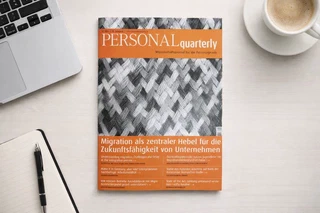
Abstract
Do migrant apprentices show more absenteeism or lower engagement than their non-migrant peers — and what workplace conditions influence these outcomes? Drawing on longitudinal data from over 600 apprentices in nearly 200 German organizations, this study examines how individual and organizational factors shape training experiences and workplace behavior. Findings are analyzed via hierarchical regressions. Rather than focusing on language deficits or school grades, companies should prioritize social support and inclusive onboarding to improve outcomes for migrant apprentices. Especially in small and medium-sized enterprises, support by supervisors and coworkers can make a significant difference.
Type
Publication
PERSONALquarterly

Authors
Dr. Sophie Moser
(she/her)
Post-Doctoral Researcher
I am a Post-Doctoral Researcher at the Cluster of Excellence
“The Politics of Inequality” at the University of Konstanz. I conduct
quantitative research on workplace inequality. My work examines how gender,
age, migration background, and occupational background shape everyday work
experiences, career outcomes, and health, and what organizations and
policymakers can do to reduce these disparities.